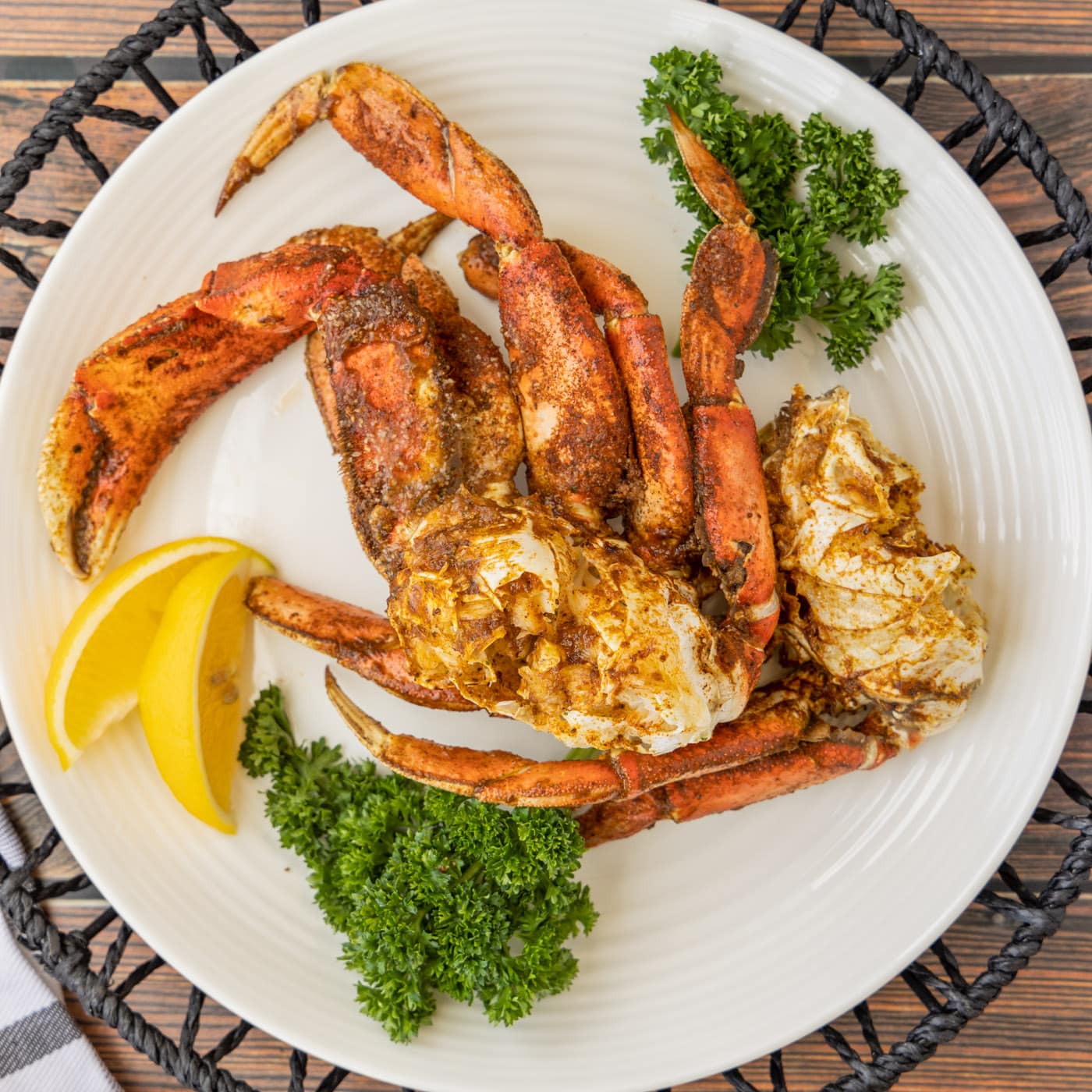
Dungeness Crab Legs

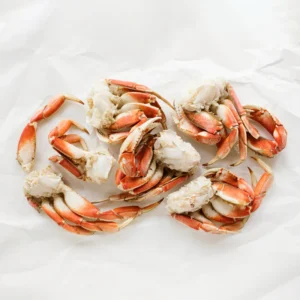
Sweet, tender, and effortless to enjoy, these wild Dungeness crab legs Clusters are a seafood lover’s dream. Pre-cooked and flash-frozen to lock in freshness, they offer naturally sweet, delicate meat that delights both seasoned fans and first-timers alike.

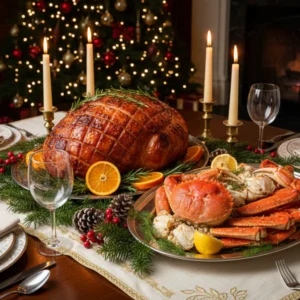
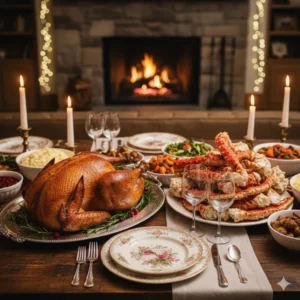
Ideal for holiday feasts, date-night dinners, or quick elevated meals at home, these crab legs bring restaurant-quality flavor with minimal prep. Sourced from the pristine waters of the Pacific Northwest, they’re as sustainable as they are delicious.

Dungeness Crab Clusters

Dungeness Crab Clusters include the legs and a small portion of body meat, making them easy to enjoy without extra prep. They’re a more affordable option and come ready for a crab boil. The meat is tender, with a naturally sweet, delicate flavor that’s perfect for seafood dishes.

Dungeness Crab Season

Dungeness Crab season usually starts in late November and runs through early spring. Fishermen use baited pots to catch them, often at depths ranging from 30 to 300 feet. This is considerably shallower than the depths where King Crab are typically harvested, which can be twice as deep.

F.A.Q.

5 Facts About Dungeness
Dungeness Crab is known for its succulent and sweet meat, loaded with Vitamin b-12 and tons of omega-3’s.
Dungeness Crabs inhabit a range of environments, including sandy bottoms, eelgrass beds, and rocky areas along the West Coast, but ours are wild-caught in Alaska!
Dungeness Crabs are primarily nocturnal. At night, they venture out of their homes to search for food, using their powerful claws to catch and eat their prey, including fish, mollusks, and algae.
Dungeness Crabs are incredibly skilled at blending into their surroundings. They do this with the help of hundreds of fine hairs on their shells, which help them attach debris, algae, and other organisms to their bodies, hiding them from predators.
 
The Dungeness crab fishery is managed through strict regulations in the U.S. to ensure sustainability, including size limits, seasonal closures, and quotas on catch limits.